To top

Stories

In the Land of 10,000 Lakes, we see clearly how the health of one community flows into the vitality of the next. The University of Minnesota Medical School is dedicated to ensuring that the current of world-class care runs strong throughout the entire region. The stories featured below show how we are widening our reach: expanding medical education from Duluth to St. Cloud, monitoring public health through statewide waterways, and uncovering treatments that reshape lives. We are proud to be the source of the next generation of physicians and discoveries that keep Minnesota healthy.

Mississippi River Mississippi River Mississippi River
Medical education scene

A Beacon of Hope for a Rare Disease

A 15-Year Partnership in the Fight Against NF2

Location: Twin Cities

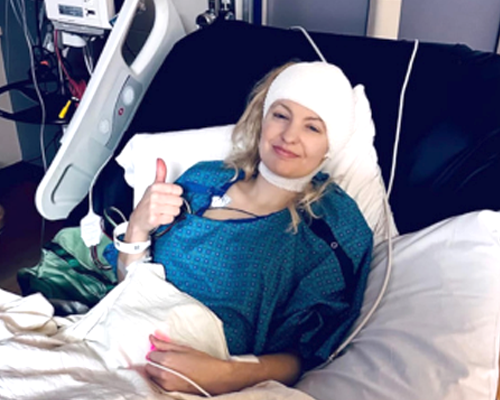
Lindsay Shvetzoff finally found hope and life-saving treatment at the University of Minnesota after being denied care across the country for her rare disease, Neurofibromatosis type 2 (NF2). Neurofibromatosis type 2 (NF2) is a rare genetic condition that causes non-cancerous tumors to grow on nerves in the brain, spinal cord, and inner ear, which can lead to hearing loss and balance problems. The difference was finding a partner in Dr. Christopher Moertel, who saw Shvetzoff as more than a number. He worked to get her enrolled in a clinical trial to receive the drug Avastin, which helped her avoid a devastating surgery that would have left her deaf and partially paralyzed. For 15 years, Dr. Moertel has been her advocate, ensuring she always leaves the clinic with more hope than when she came in. This powerful partnership and comprehensive care from the University of Minnesota team gave her back her life, allowing her to have two healthy sons and contribute to NF2 research for future patients.

Read the full story(Opens link in a new Window)
A Wellspring of Medical Education in Greater Minnesota

Expanding Medical Education Across Minnesota

Location: St. Cloud/ Duluth

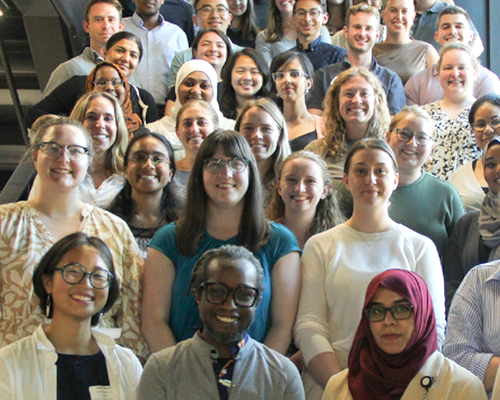
The University of Minnesota Medical School is expanding its statewide impact by launching a full four-year MD program at its Duluth campus and unveiling a new regional campus in St. Cloud focused on rural care. These steps deepen our commitment to training future physicians in the communities that need them most, strengthen regional health systems, and build long-term connections between students, patients, and local mentors.

Read the full story(Opens link in a new Window)
Cultivating the Headwaters of Rural Health Care

A Prescription for Greater Minnesota: Training Our Own Rural Doctors

Location: Duluth/ Willmar

For over 50 years, the Duluth Family Medicine Residency Program has generated waves of health statewide, with 85% of graduates practicing in Minnesota’s small towns. Amplifying this legacy, the new University of Minnesota/CentraCare Willmar Rural Family Medicine Residency Program addresses critical workforce shortages in central and western Minnesota. By training full-scope physicians equipped for everything from maternity care to emergencies, these programs impact our state by educating doctors and sustaining the health systems that allow rural communities to thrive, ensuring quality care extends to every citizen.

Read the full story(Opens link in a new Window)

A Reservoir of Generosity Shaping Minnesota's Health

The Gift That Shapes Health Care in Minnesota

Location: Minnesota

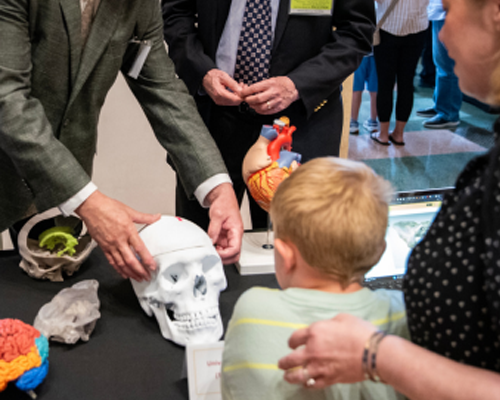
The University of Minnesota Medical School’s Anatomy Bequest Program is transforming health care and education across Minnesota. Through generous body donations, students, clinicians, and researchers gain hands-on experience that strengthens training, advances surgical innovation, and improves patient outcomes. Each year, thousands of learners from future physicians to practicing specialists benefit from this unique statewide resource that keeps Minnesota at the forefront of medical education and care delivery.

Read the full story(Opens link in a new Window)

The Global Ripple Effect of Prevention in Infectious Disease

UMIID: Securing Our Health

Location: Minnesota

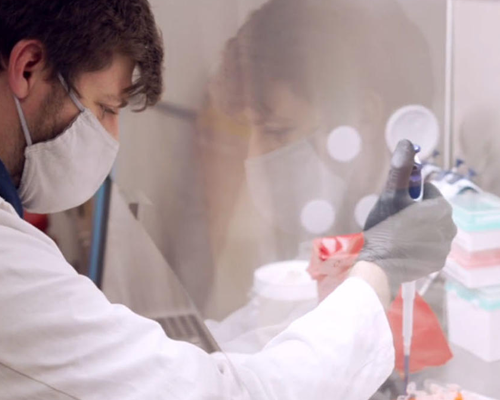
The COVID-19 pandemic highlighted an urgent global need for coordinated infectious disease response. In response, the University of Minnesota Medical School launched the University of Minnesota Institute on Infectious Diseases (UMIID), a new center committed to predicting, preventing, and confronting pathogen threats. Led by Dr. Michael Gale, Jr., the Institute brings together cross-disciplinary and global partners to quickly isolate outbreaks, develop intervention strategies like vaccines and therapeutics, and train the next generation of responders. A key initiative is the Wastewater Dashboard, an early warning system that provides rapid, community-level data on viral activity by monitoring wastewater across the state, ensuring that the University's land-grant mission to secure public health is felt across Minnesota and the world.

Read the full story(Opens link in a new Window)

Mapping the Flow of Resilience in the Aging Brain

Jacqueline Palmer Brains in Motion Lab

Location: Twin Cities

Most aging research asks what goes wrong, but University of Minnesota researcher Jacqueline Palmer is flipping the script and asking what goes right. With a $2.2 million "High Risk, High Reward" grant from the NIH, Palmer is studying "SuperAgers," people over 75 with the physical and cognitive sharpness of 40-year-olds. Her team discovered that these individuals have distinct brain activity, suggesting a unique ability to rewire and adapt. By understanding this neuroplasticity, Palmer hopes to unlock new therapies that could improve the quality of life for seniors everywhere.

Play the Video to Watch the full story(External Link)